From a home rooftop to a large solar plant, a successful project begins with the way energy will be used. Explore development, engineering, construction and self-consumption approaches drawn from HiPower’s solar business in Japan, then discuss a suitable plan with our Bangladesh team.
Land, engineering, permissions and people come together in a carefully planned photovoltaic project. HiPower entered industrial solar development in 2014.
01
Site & land
Identify suitable land or rooftop space, review access and ownership, and establish the agreements needed to move forward.
02
Feasibility
Study sunlight, site constraints, electricity demand and connection options before defining the project and its financial assumptions.
03
Permissions & consultation
Coordinate required permissions and engage landowners, local authorities and nearby communities as the project develops.
04
Design & engineering
Plan the array layout, civil works, electrical systems and equipment selection around the site and intended use.
05
Procurement & construction
Coordinate equipment suppliers, contractors and the installation team, bringing a ready-to-build plan into construction.
06
Operation & care
Plan commissioning, monitoring and maintenance so the system can be managed throughout its operating life.
ENGINEERING · PROCUREMENT · CONSTRUCTION
One connected approach. Every stage considered.
Engineering, procurement and construction management (EPCM) brings design, purchasing and on-site coordination together. HiPower describes work across ground-mounted plants, floating solar and solar rooftops, from small self-consumption installations to large photovoltaic projects. Its approach includes prime-contracting and subcontracting, coordinating customers, suppliers and builders.
Ground-mounted plantsFloating solarSolar rooftops
HiPower reports more than 3 GW of construction experience on its website, without a reporting date. This is a source-reported figure, not a Mirai Nippon Bangladesh installation total.
SELF-CONSUMPTION
Power, closer to where life happens.
Generate electricity within the customer’s network and use it directly. Surplus energy can be stored or exported when the system and local rules allow.
Industrial self-consumption
Generate electricity close to where a business uses it. Design around daytime demand to reduce grid purchases and support a lower operational carbon footprint. Roof space, operating hours, load patterns and future growth guide the system.
Residential self-consumption
Use rooftop generation to supply part of a home’s electricity needs. Batteries can retain unused daytime energy for later use. Installation, maintenance and any permitted grid export should be planned together.
Agrivoltaics
Consider electricity generation alongside agricultural land use. Crops, farming access, panel layout and local conditions determine whether a shared use of the site is practical.
Shared solar
Explore generation from a common rooftop or shared space. Metering, ownership and allocation of electricity need to be agreed before the system is designed.
Off-grid supply
Pair solar panels with storage and controls where grid electricity is unavailable. Begin with essential loads, daily demand and the reserve needed for periods of low sunlight.
Hybrid systems
Combine solar with batteries and another available power source. Controls coordinate generation, storage and demand according to the site’s needs.
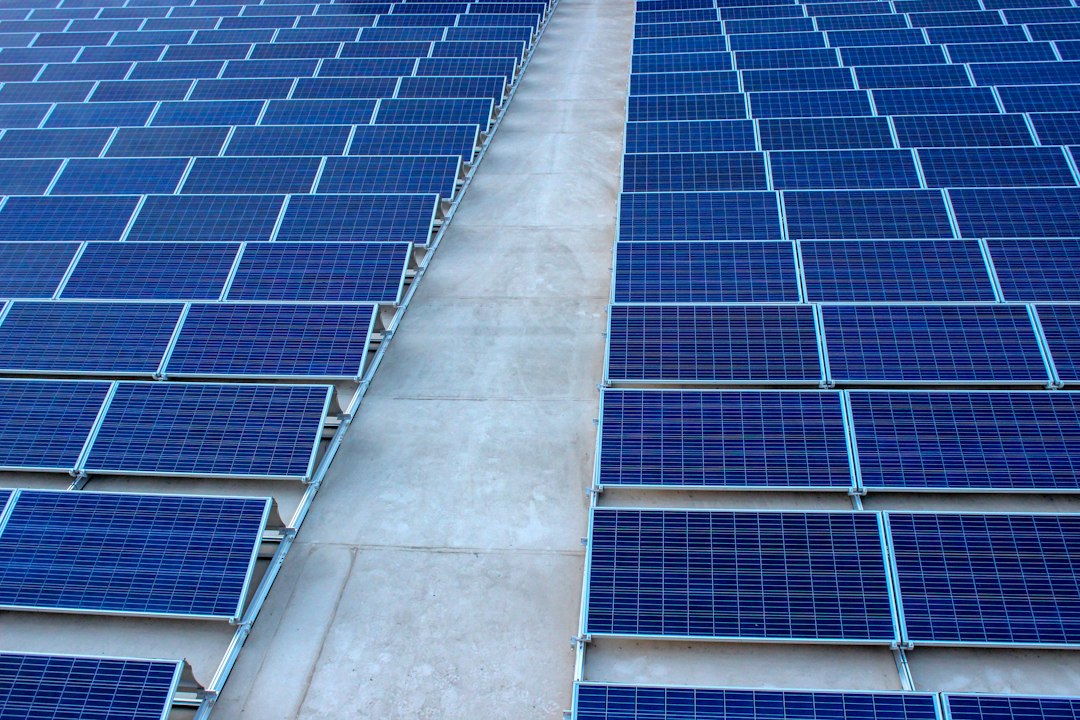
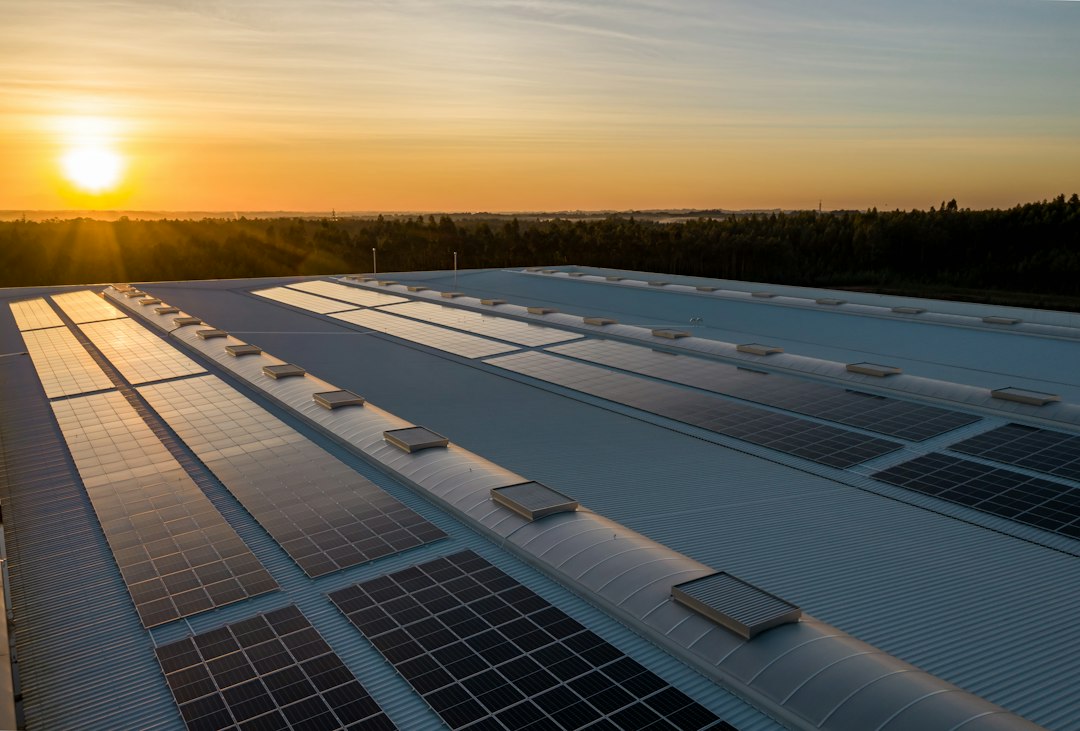
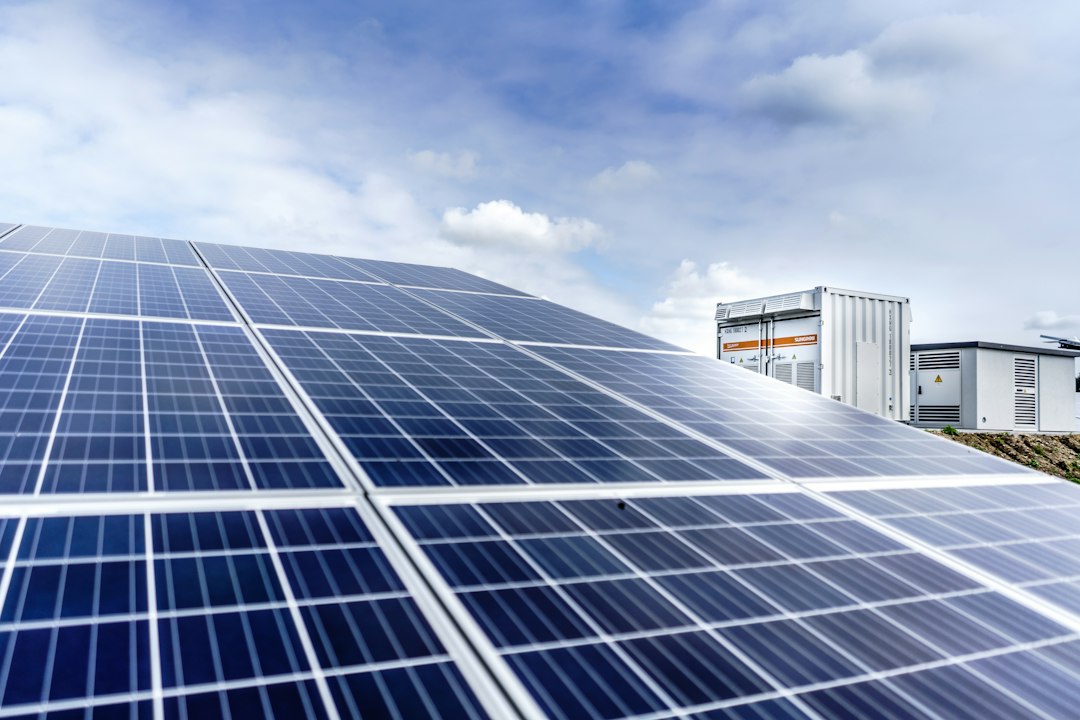
Large industrial rooftop photovoltaic installationPhotovoltaic panels beside industrial facilities
HOW THE ENERGY FLOWS
Generate. Use. Store.
Solar panelsGenerate electricity
→
Inverter & controlsManage the supply
→
Your siteUse · store · permitted export
Use it on site
A system without export uses controls to prevent surplus electricity from entering the public grid. Generation serves the site’s own demand.
Store it for later
A battery can absorb available surplus and supply electricity later. Capacity and operating priorities are chosen against the load profile.
Export where permitted
Unused generation can feed the grid where the utility permits it. Compensation, metering and approvals depend on the applicable local rules.
Connection rules and export arrangements are assessed for the installation location. Requirements described for other countries on the source website do not establish eligibility in Bangladesh.
SOLAR PUMPING
Sunlight that keeps water moving.
Solar pumping connects photovoltaic generation to water supply and irrigation. It can serve agriculture, general water supply and industrial water applications, with equipment selected around flow, pumping height and operating schedules.
Review the source, required volume, pumping head and seasonal irrigation needs before sizing the array and pump.
02
Match the equipment
Select a pump and variable-frequency drive suited to available solar power. Existing pumps need a compatibility assessment.
03
Protect & control
Integrate the inverter, electrical protection and controls in a cabinet suited to the installation environment.
04
Schedule & monitor
Use programmable local or remote controls to manage irrigation and adapt operation to the site’s water requirements.
JAPAN · HIPOWER REFERENCE
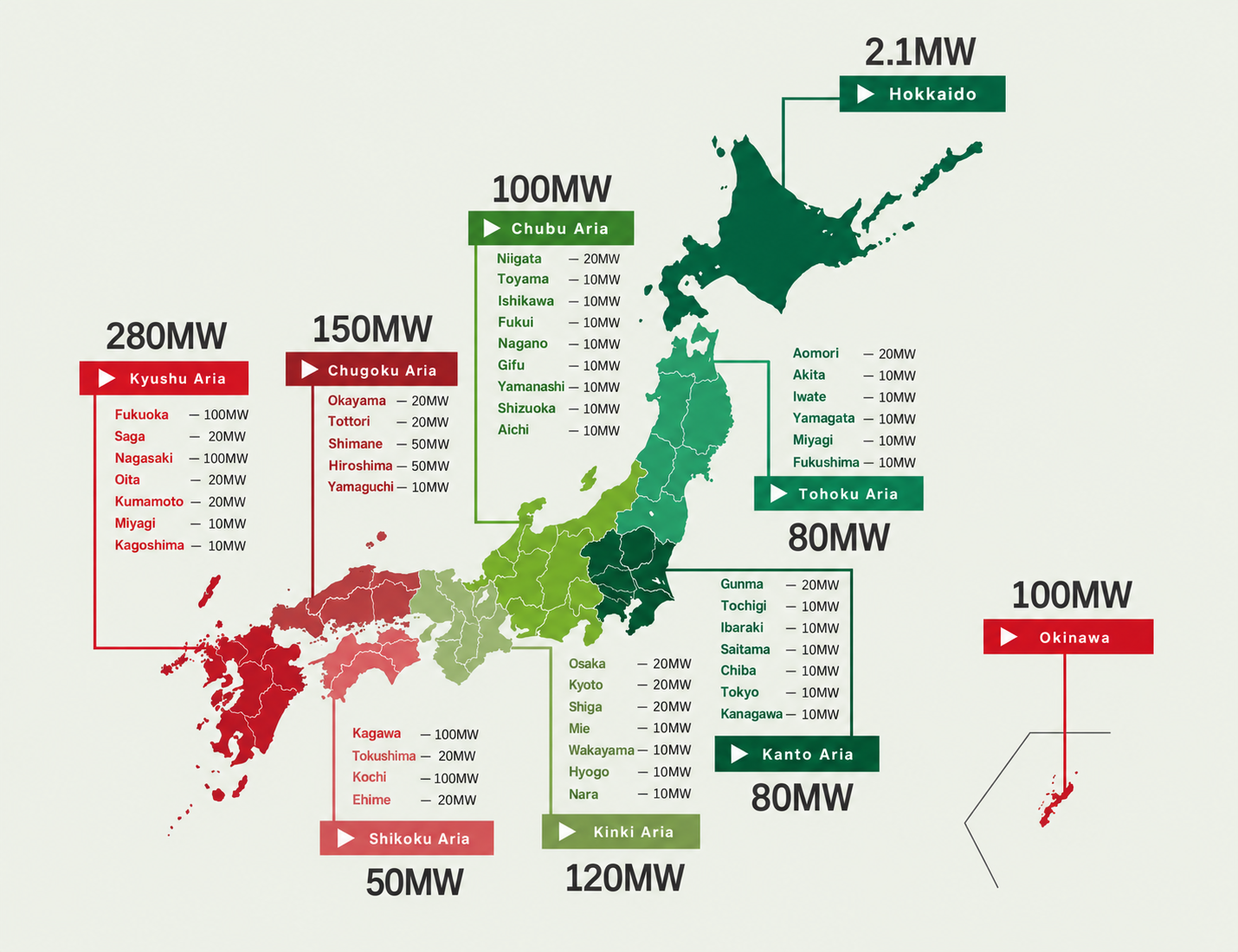
A regional view of solar development.
Regional and prefectural capacities in MW, based on HiPower’s photovoltaic development map. No reporting date is supplied and some regional and prefectural figures differ. These are attributed reference figures, not independently verified totals or Mirai Nippon Bangladesh projects.
THE VALUE OF SOLAR
Plan for a lasting return.
01
Lower grid purchases
On-site generation can reduce purchased electricity. Actual savings depend on generation, tariffs, consumption and system costs.
02
Design that fits
Match the installation to the space, daily demand and long-term plans of the home, business or project.
03
A considered investment
Compare capital and operating costs, and any available financing, against realistic generation and savings estimates.
04
Greater energy control
Monitor production and consumption, with storage or backup designed around the level of independence required.
05
Environmental responsibility
Use renewable electricity while considering materials, land use, community needs and end-of-life planning.
06
Realistic payback
Assess returns using site-specific assumptions. Indicative savings figures on the source website are not guaranteed outcomes for Bangladesh installations.
SOLAR IN PERSPECTIVE
Room for a brighter future.
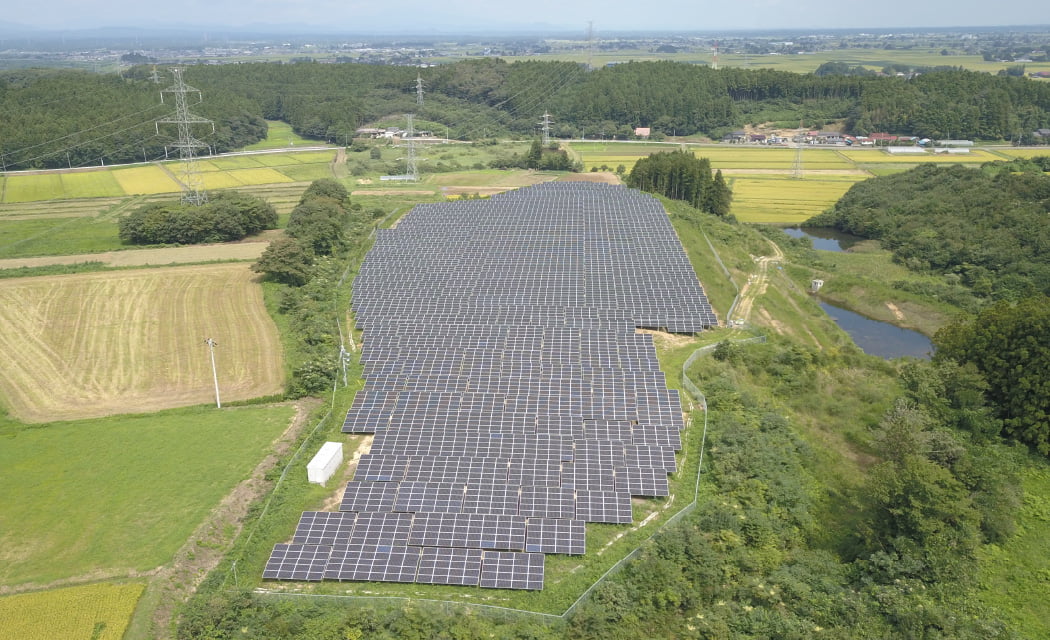
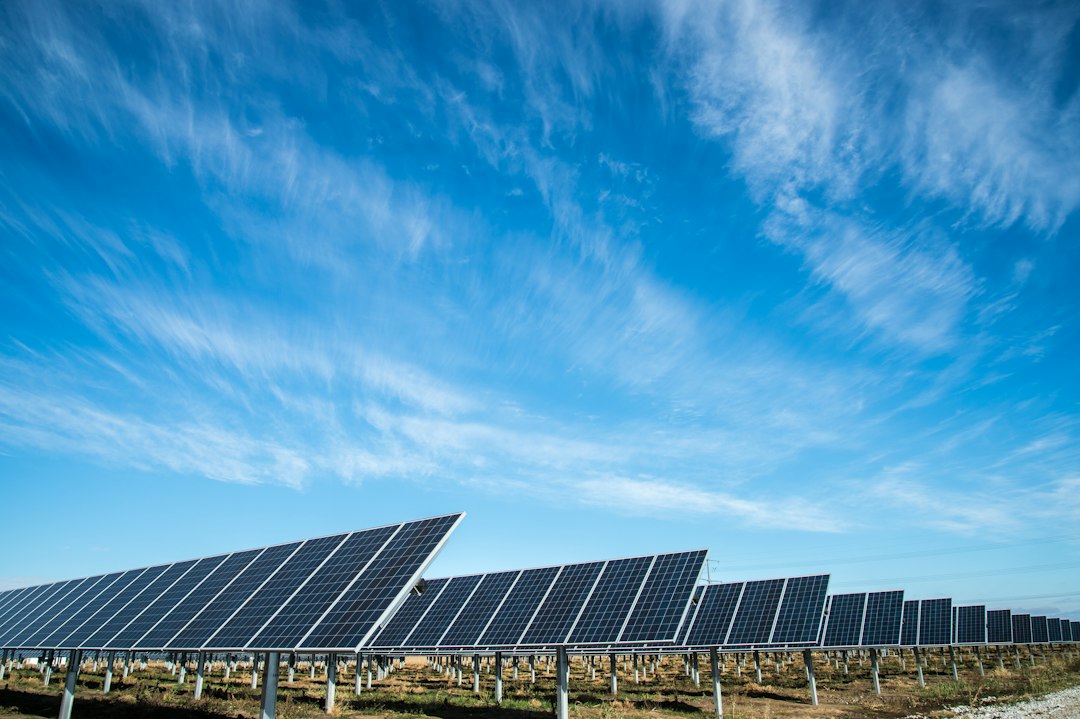
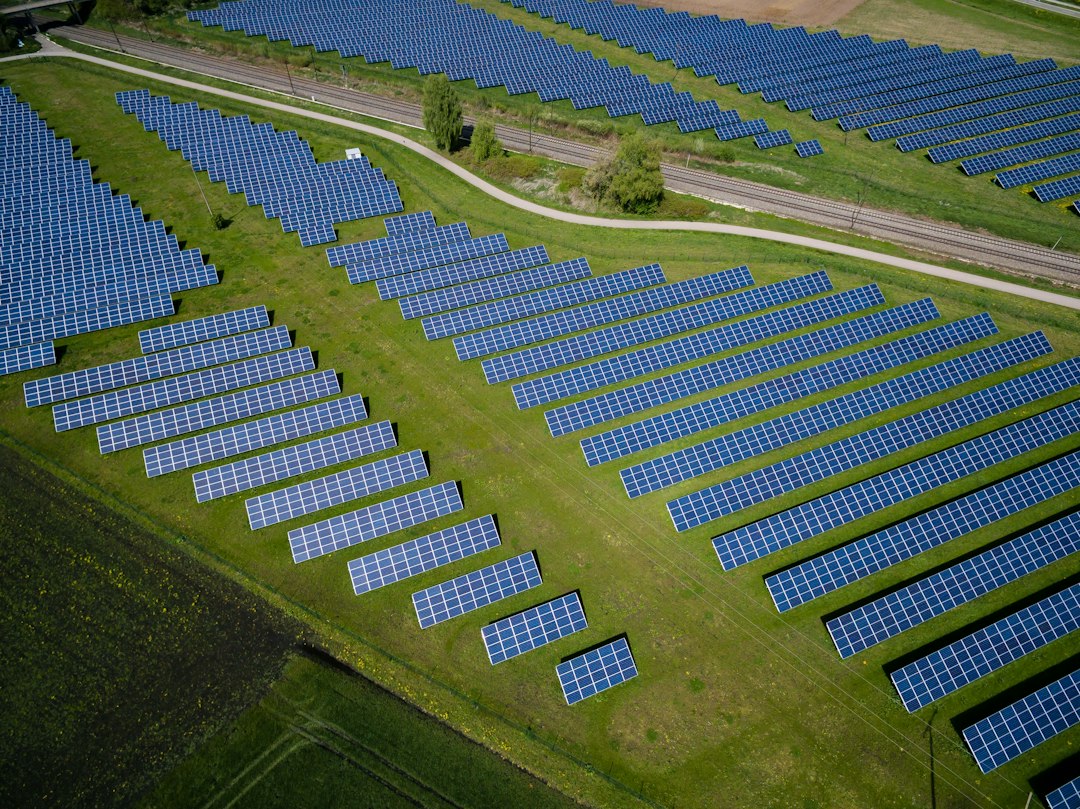
Solar information and reference photography: HiPower Co., Ltd. The photographs are shown on its website without named-project captions. Bangladesh project scope, approvals and delivery arrangements are confirmed individually.
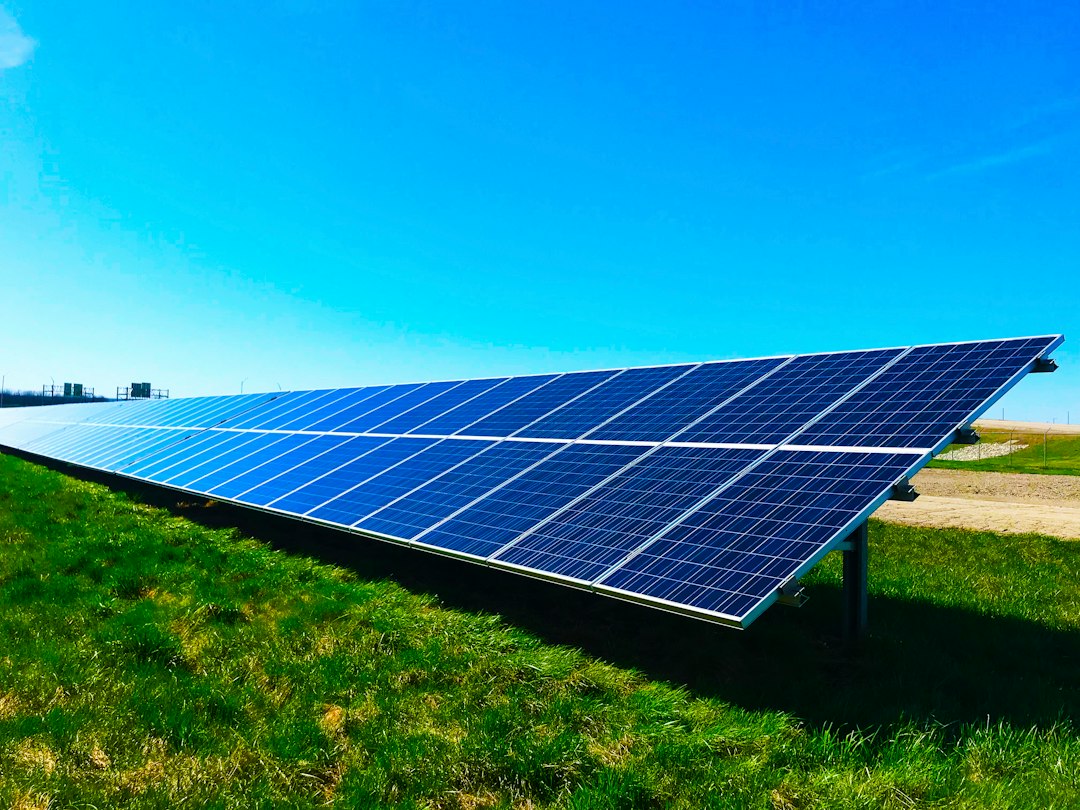
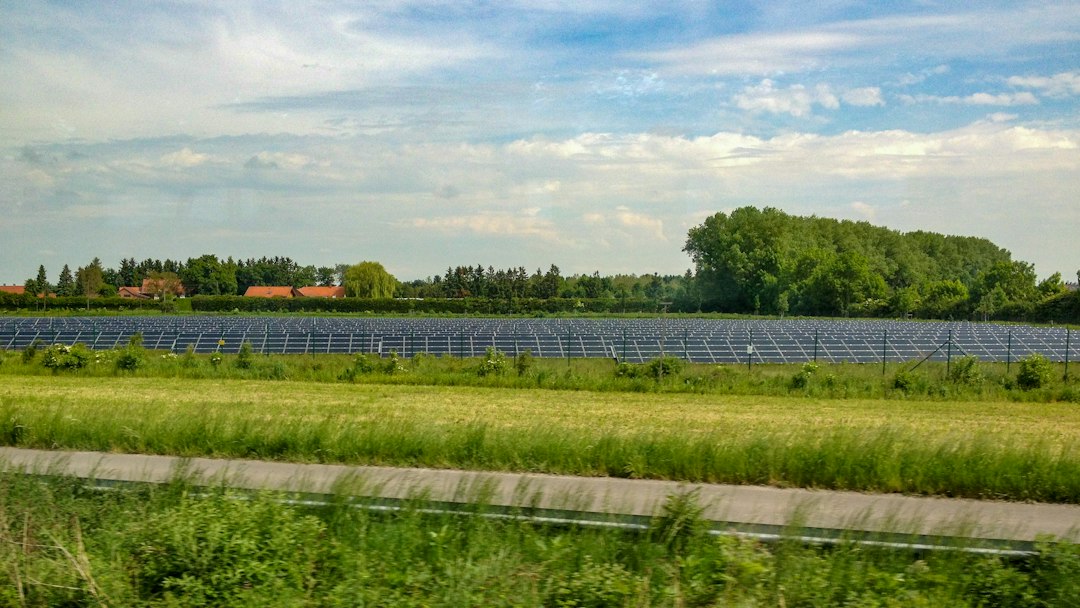
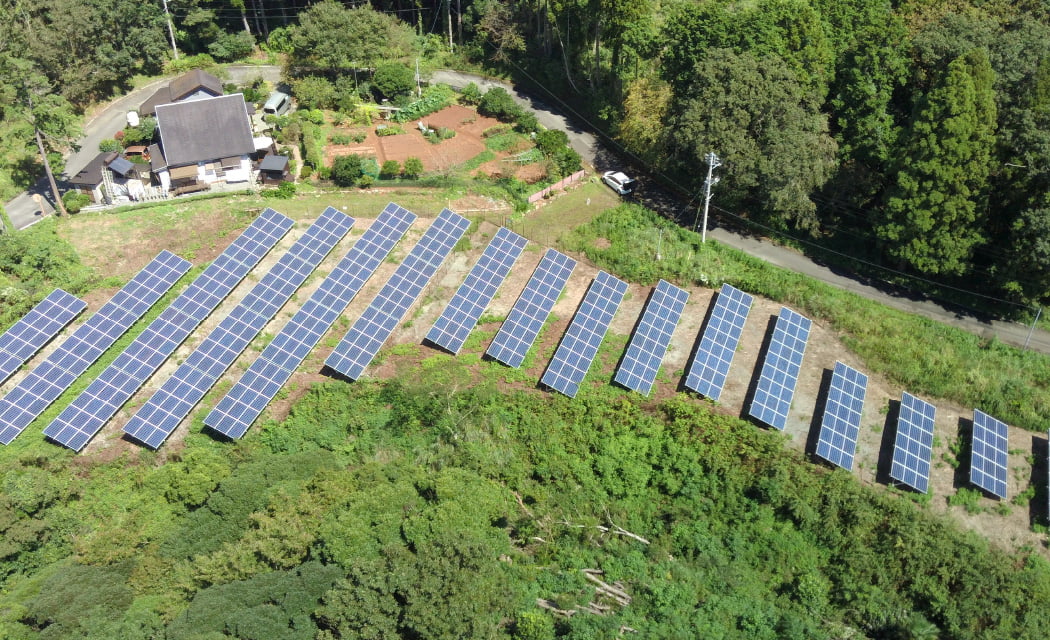
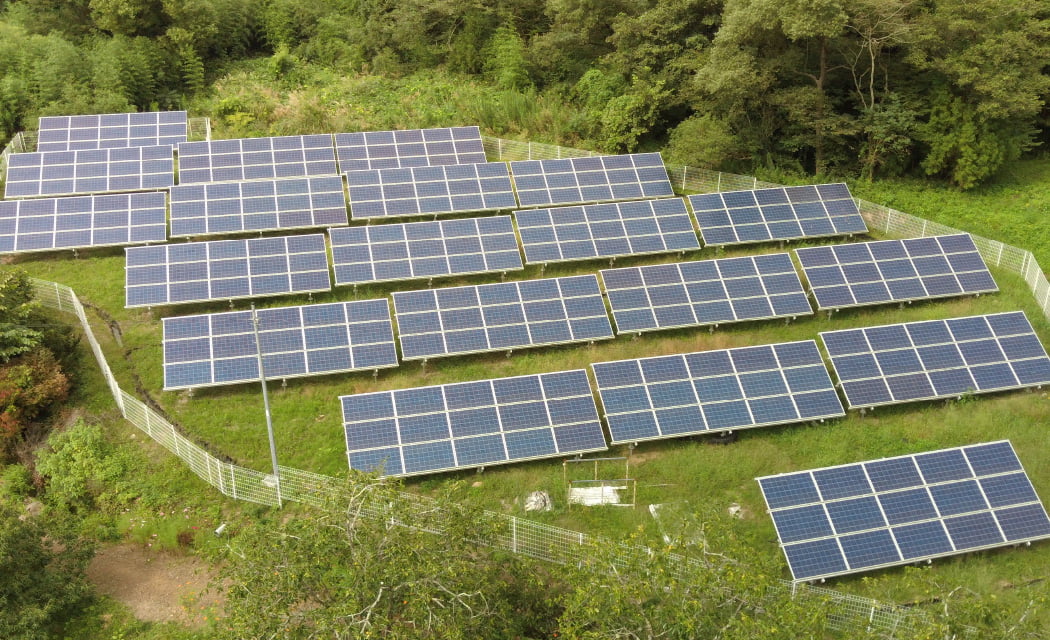
Rows of photovoltaic panels beneath a blue skyAerial view of a ground-mounted solar arraySolar array in a green rural landscape
A CONVERSATION BUILT AROUND YOU
Start with your needs.
Explore what is possible.
We help you explore solar power around the needs of your site. Drawing on our Japanese group’s involvement in renewable energy, our Bangladesh team starts with your energy demand, available space and long-term priorities.
RENEWABLE ENERGY
Solar Energy
01
Understand your site
Review the available roof or land area, sunlight, access and the pattern of electricity use.
02
Plan an integrated system
Explore how solar generation can work with energy storage and the equipment your project needs.
03
Build a practical pathway
Discuss project feasibility, installation requirements and the next steps toward a tailored proposal.
PHOTO LIBRARY
Solar projects in Japan.
A look at solar installations from our Japanese group’s project portfolio.
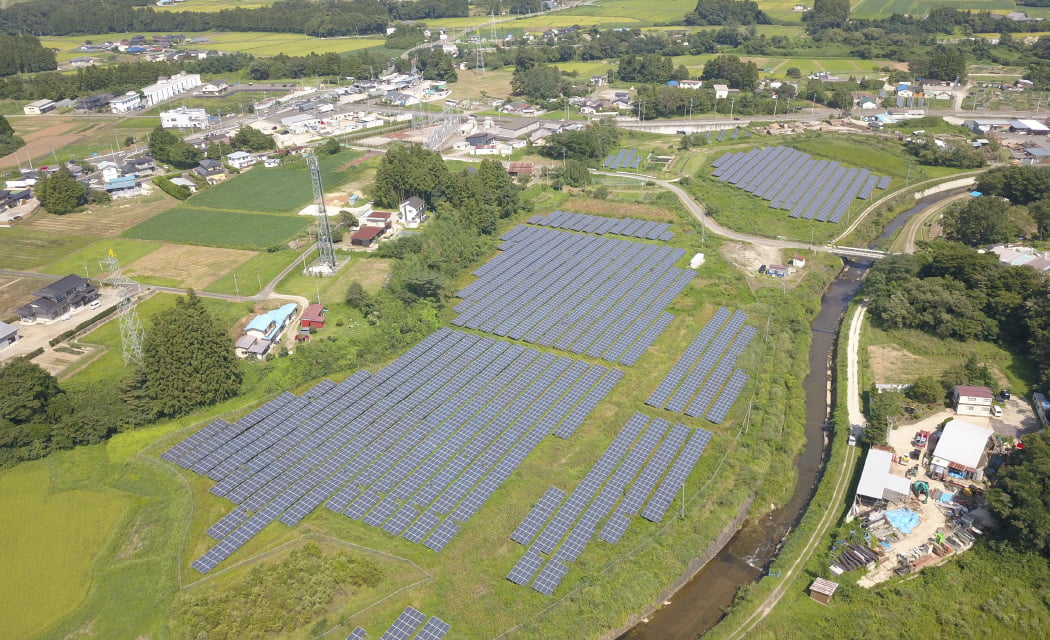
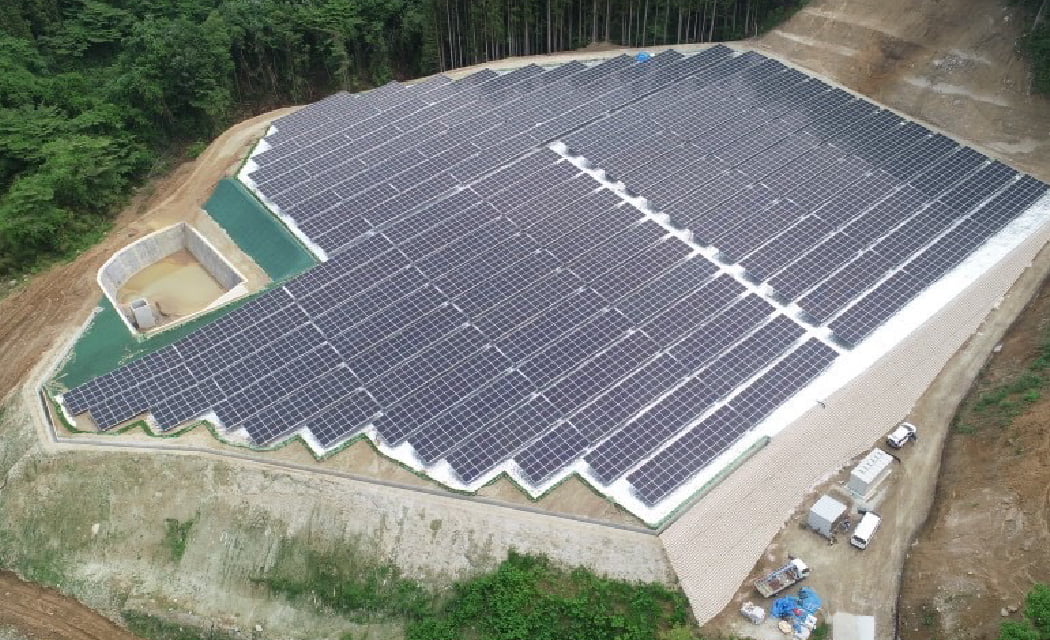
01Miyagi solar farm · 2,000 kW
02Miyagi solar farm · 2,200 kW
03Ibaraki solar farm · 1,500 kW
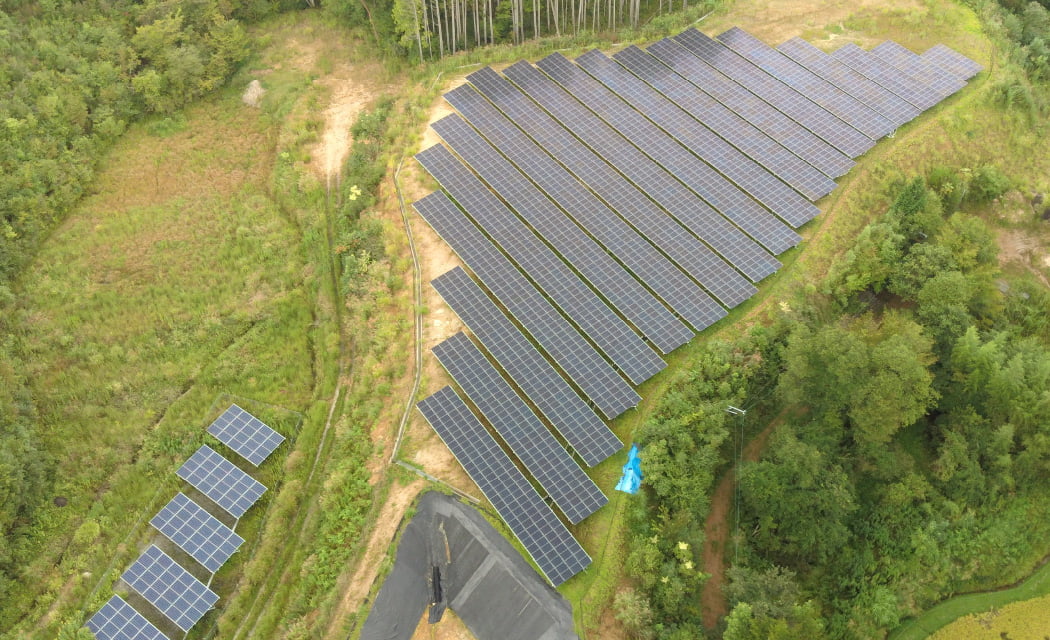
04Gifu solar farm · 630 kW
05Shizuoka solar installations · 80 kW / 70 kW
06Miyagi solar installation · 80 kW
01Miyagi solar farm · 2,000 kW
02Miyagi solar farm · 2,200 kW
03Ibaraki solar farm · 1,500 kW
04Gifu solar farm · 630 kW
05Shizuoka solar installations · 80 kW / 70 kW
06Miyagi solar installation · 80 kW
SUSTAINABLE DEVELOPMENT GOALS
Working toward a shared future.
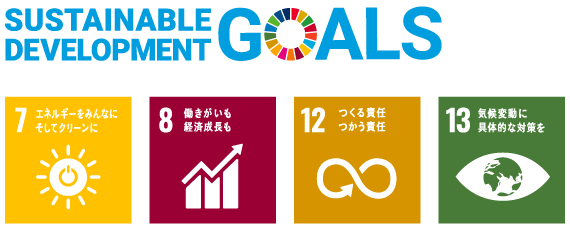
These goals are highlighted by our Japanese group for this business area.
THE NEXT STEPS
From first conversation
to a clear next step.
01
Share your requirements
Tell us about your plans, priorities and the questions you would like to explore.
02
Explore the possibilities
We discuss the relevant options and the information needed to assess your requirements.
03
Agree the next steps
Receive guidance on the next stage, including any details, documents or quotation needed.
LET’S TALK
Let’s discuss your project.
Connect with our Bangladesh team for product information, availability and a quotation.